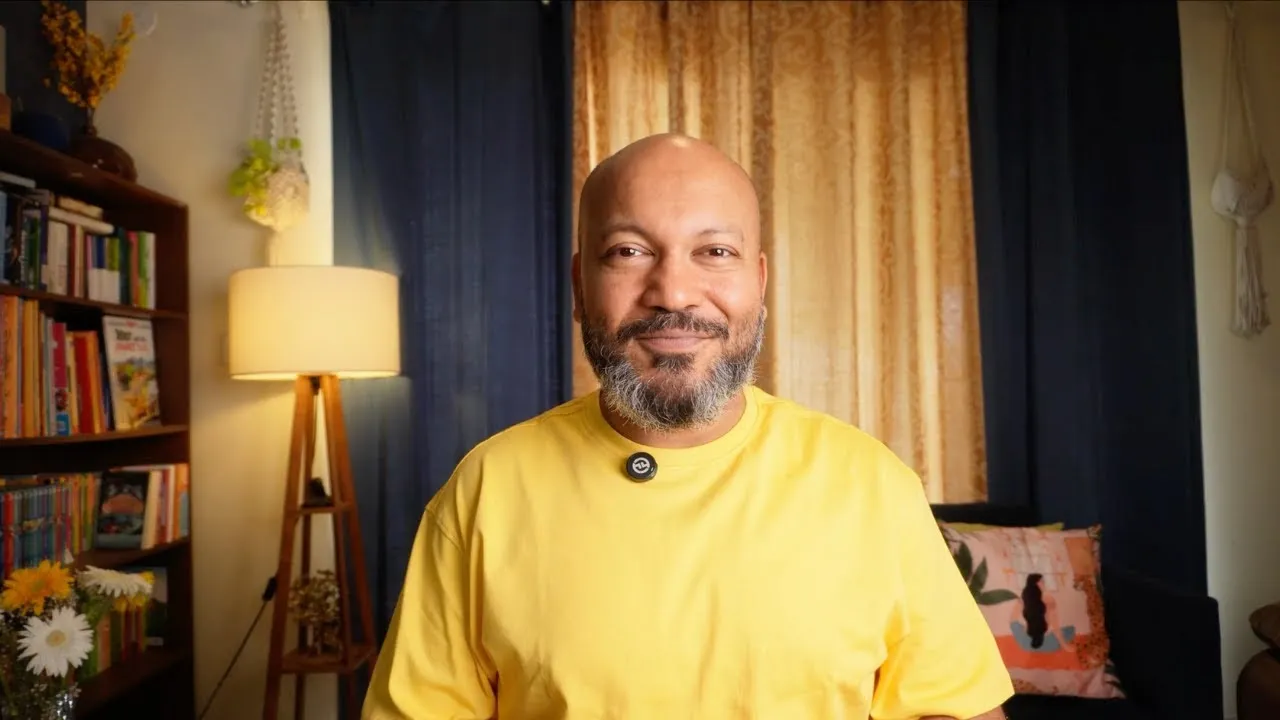
A Framework for making sense of life when familiar answers stop working.
A Framework for making sense of life when familiar answers stop working.
Why I Created THINK
Why I Created THINK
For a long time, I lived with questions around identity, meaning, and purpose.
When I turned to frameworks, philosophies, and self-help ideas for answers, I realised that the questions I was carrying didn’t have ready-made solutions.
Over time, through lived experience, self-enquiry, and deep thinking, I built clarity, stability and a deeper sense of alignment.
For a long time, I lived with questions around identity, meaning, and purpose.
When I turned to frameworks, philosophies, and self-help ideas for answers, I realised that the questions I was carrying didn’t have ready-made solutions.
Over time, through lived experience, self-enquiry, and deep thinking, I built clarity, stability and a deeper sense of alignment.
When I reflected on my journey, I noticed a clear pattern in how I moved from confusion to clarity.
That pattern became THINK.
When I reflected on my journey, I noticed a clear pattern in how I moved from confusion to clarity.
That pattern became THINK.
When I reflected on my journey, I noticed a clear pattern in how I moved from confusion to clarity.
That pattern became THINK.
How THINK Works
How THINK Works
You don’t change what you do until you change how you think.
THINK begins with self-awareness — the ability to notice what you’re feeling, thinking, and reacting to. This awareness is then developed into self-understanding: why certain patterns repeat and why familiar responses no longer work.
As thinking becomes clearer, you begin to ask better questions about who you are, how you want to live, and what no longer fits. From here, clearer decisions and more aligned actions follow — not because you force them, but because they start to make sense.
You don’t change what you do until you change how you think.
THINK begins with self-awareness — the ability to notice what you’re feeling, thinking, and reacting to. This awareness is then developed into self-understanding: why certain patterns repeat and why familiar responses no longer work.
As thinking becomes clearer, you begin to ask better questions about who you are, how you want to live, and what no longer fits. From here, clearer decisions and more aligned actions follow — not because you force them, but because they start to make sense.
Over time, THINK supports the development of both:
Over time, THINK supports the development of both:
clearer ways of thinking (cognitive clarity), and
clearer ways of thinking (cognitive clarity), and
grounded ways of acting (practical alignment)
grounded ways of acting (practical alignment)
THINK is not about sudden transformation. It is a gradual process shaped by repeated reflection, honest inquiry, and small, lived shifts.
THINK is not about sudden transformation. It is a gradual process shaped by repeated reflection, honest inquiry, and small, lived shifts.
The Five Stages of THINK
The Five Stages of THINK
Here’s how THINK moves from inner clarity to visible change:
Here’s how THINK moves from inner clarity to visible change:
Tuning in: noticing blind spots and default patterns
Tuning in: noticing blind spots and default patterns
Tuning in — noticing blind spots and default patterns
Highlight what matters: clarifying what truly matters to you
Highlight what matters: clarifying what truly matters to you
Tuning in — noticing blind spots and default patterns
Implement: taking aligned action in real life
Implement: taking aligned action in real life
Tuning in — noticing blind spots and default patterns
Navigate: working with resistance as life evolves
Navigate: working with resistance as life evolves
Tuning in — noticing blind spots and default patterns
Keep evolving: continuing to grow into who you are becoming
Keep evolving: continuing to grow into who you are becoming
THINK shapes how I approach both life and work. I apply it in:
THINK shapes how I approach both life and work. I apply it in:
one-on-one conversations
one-on-one conversations
longer-term coaching work
longer-term coaching work
facilitated discussions and speaking engagements
facilitated discussions and speaking engagements
my own ongoing reflection and decision-making
my own ongoing reflection and decision-making
The intention is simple: to keep evolving, and to guide others as they do the same.
The intention is simple: to keep evolving, and to guide others as they do the same.
A Note From Me
A Note From Me
A personal reflection on the questions behind this work.
A personal reflection on the questions behind this work.
How to Take This Further
How to Take This Further
You can explore my work in a few different ways, depending on what feels relevant right now.
You can explore my work in a few different ways, depending on what feels relevant right now.